WHO CAN GO
Reception to Year 6
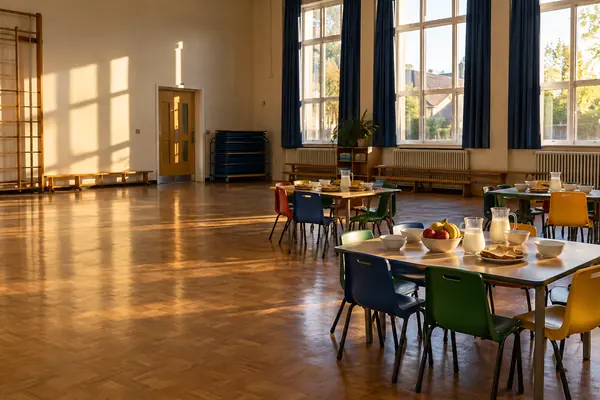
Clubs must be open to all pupils on roll from reception to Year 6. Schools that join contact families directly about signing up.
Check the rules doodlesbreakfast
HOW THE SCHEME WORKS
Free breakfast clubs are being rolled out to primary schools across England.
30 min before the school day starts
2 months Additional progress for Key Stage 1 pupils
Each club runs for at least 30 minutes right before the school day, is open to every pupil from reception to Year 6, and serves a breakfast that meets the school food standards. Here is what that means, and what the evidence says.
THE SHORT ANSWER
Schools on the programme must meet three minimum requirements
set in the Department for Education's grant conditions.
WHO CAN GO
Clubs must be open to all pupils on roll from reception to Year 6. Schools that join contact families directly about signing up.
Check the rulesWHAT THEY EAT
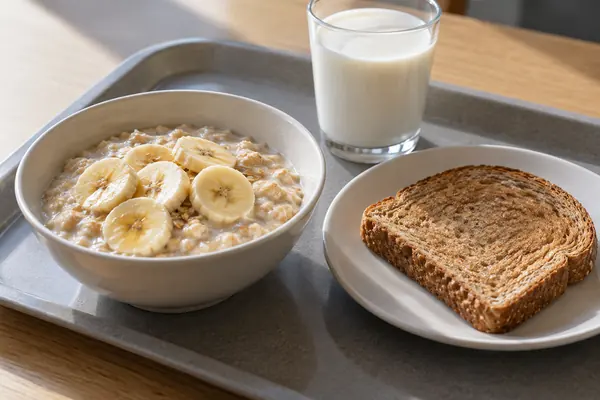
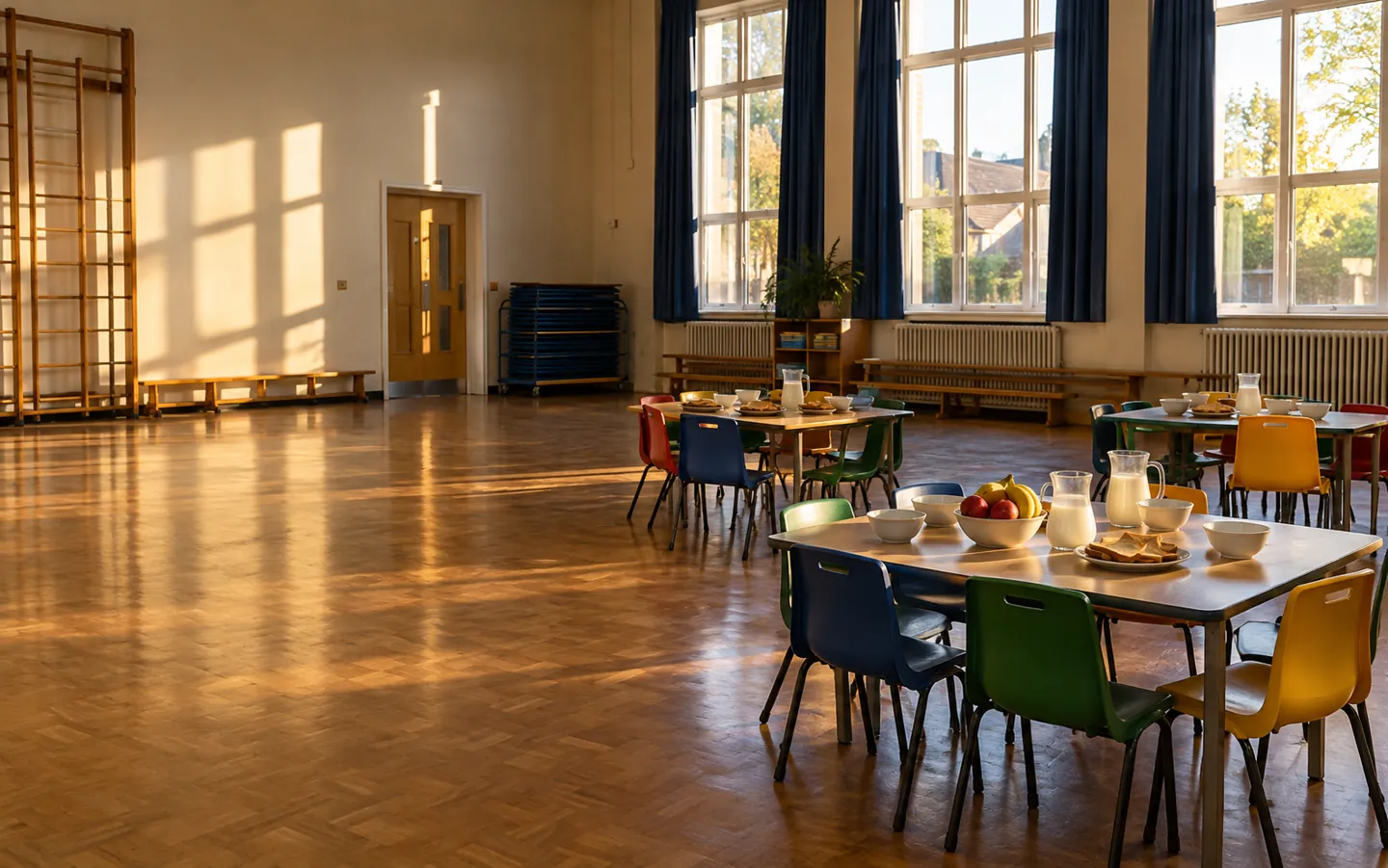
The breakfast must follow the school food standards for England, and updated standards due from 2027 include a dedicated breakfast section.
What to expectWHAT ELSE
Schools may add activities such as reading, arts and crafts and sport, giving children a soft start to the school day.
See the evidenceGeneral information only, not professional safety advice. If someone is in immediate danger, call the emergency services.
A QUICK RULES CHECK
Pick a part of the scheme to see how firm the DfE guidance is about it. The bar shows whether it is a requirement, an expectation or an option.
From the Department for Education's guidance for schools and trusts for phase 1 of the national rollout from April 2026.
FOR FAMILIES
What the Department for Education tells parents and schools about how the clubs work day to day.

Schools joining the programme contact families directly about how to sign up.
If your school has a free breakfast club, every pupil from reception to Year 6 is eligible.
Schools should work with parents to promote punctual attendance, so children get the full benefit.
For questions about applying or deadlines, the DfE recommends speaking directly with your child's school.
TWO NUMBERS WORTH KNOWING
One figure from a randomised trial,
one from the national rollout.
2 months
Additional progress for Key Stage 1 pupils
A trial in 100 schools with 8,600 pupils found a free, universal, before-school breakfast club gave Year 2 pupils about two months' extra progress. No impact was found for Year 6.
EEF TRIAL · MAGIC BREAKFAST
680,000+
Children with access to a free breakfast club
The DfE says free breakfast clubs now run in over 2,700 schools across nine regions of England, and over 10 million breakfasts have been served.
NATIONAL ROLLOUT · DFE
The EEF rates the Key Stage 1 result as moderate to low security. Teachers in breakfast club schools also reported better pupil behaviour.
WHAT THE TRIAL TELLS SCHOOLS
The Education Endowment Foundation suggests schools whose main aim is raising attainment may want to focus on Key Stage 1 pupils, and to run a club like the one tested: free, universal and before school.
It found that promoting the club to parents and encouraging all children to attend, while sensitively targeting the pupils most likely to benefit, helped take-up. Some schools found the extra staff time hard to provide.
Questions
Every pupil on roll from reception to Year 6 at a school on the programme. The DfE says if your school has a club, every child is eligible.
At least 30 minutes, immediately before the start of each compulsory school day.
Schools must not introduce any charge that could deter access to the free club. Paid-for childcare that starts earlier can still run alongside it.
An EEF trial in 100 schools found two months' additional progress for Key Stage 1 pupils, with moderate to low security, and no impact for Year 6.
The DfE says it aims to have free breakfast clubs in every primary school in England in due course, with more schools joining in 2027 and 2028.
Updated
ABOUT THIS NAME
doodlesbreakfast.com is part of the DoodleSale portfolio. It isn't in an auction right now, but you can ask about leasing it.